
Construction Loans
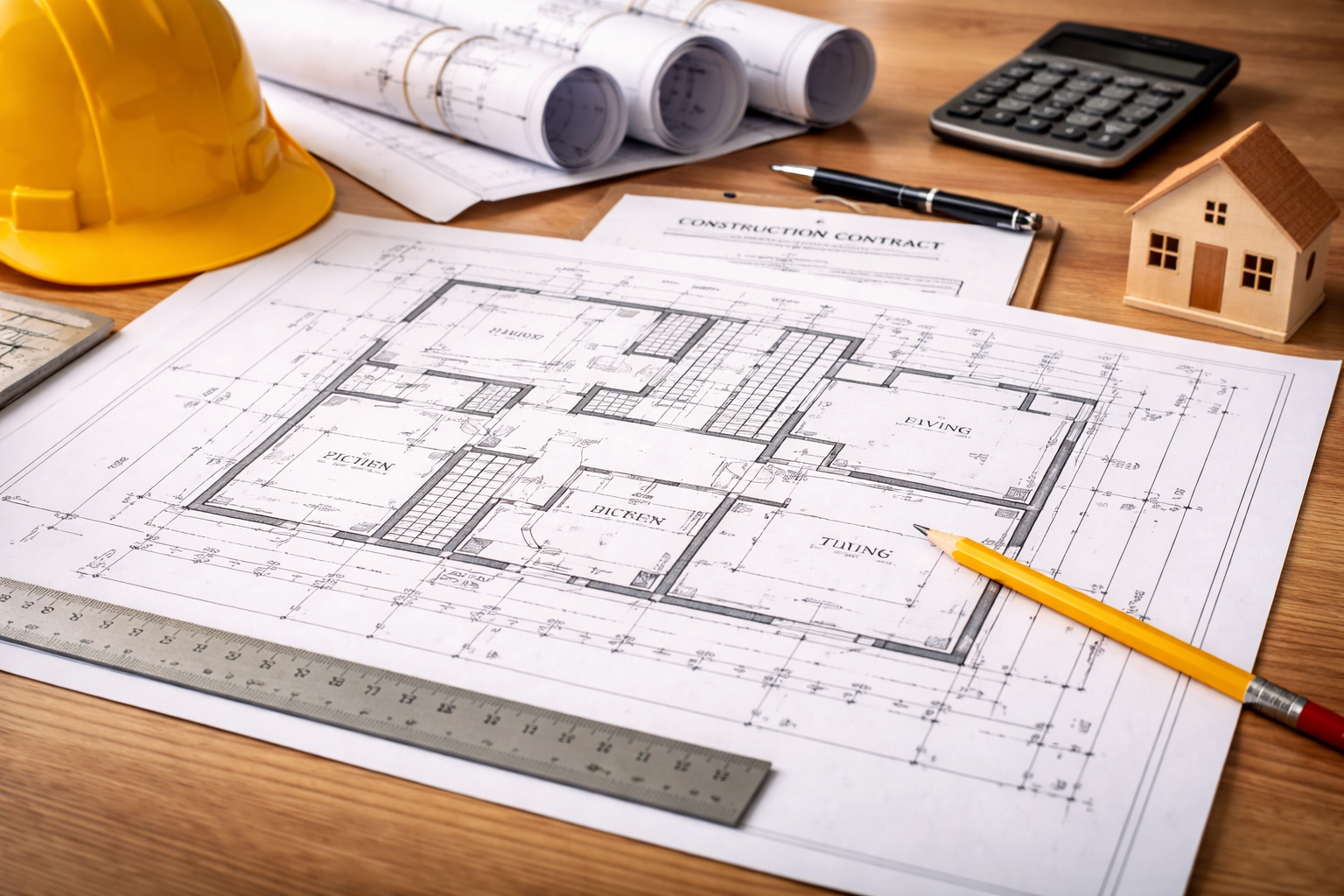
Construction Home Loans in Australia
Build your new home with the right finance from the start. Lenders design Construction Home Loans for people who are building, buying land and building, or completing a knockdown rebuild. At The Lending Circle, we help make the process easier to understand so you can move forward with confidence.
Construction home loans are different to standard home loans because lenders release the funds in stages as your build progresses. That means the right structure, the right lender, and the right guidance can make a big difference. Whether you are a first home buyer, upgrading the family home, or planning a custom build, our team can help you understand your options and navigate the process from start to finish.
Why Choose The Lending Circle for your Construction Loan
Explaining how construction loans work
Comparing lender policies and options
Reviewing your borrowing capacity
Helping you understand progress payments and loan process clearer
No credit check until you're ready to apply
Supporting you through the approval process
Flexible loan features like offset accounts, redraw, and split options
Who We Help
Who Can Benefit From a Construction Home Loan?
-
-
First home buyers building a new home
-
Families upgrading to a larger or custom-built home
-
Clients building on vacant land
-
Borrowers planning a knockdown rebuild
-
Property buyers wanting a house and land package
-
Clients looking for a more tailored home solution
-
What Is a Construction Home Loan?
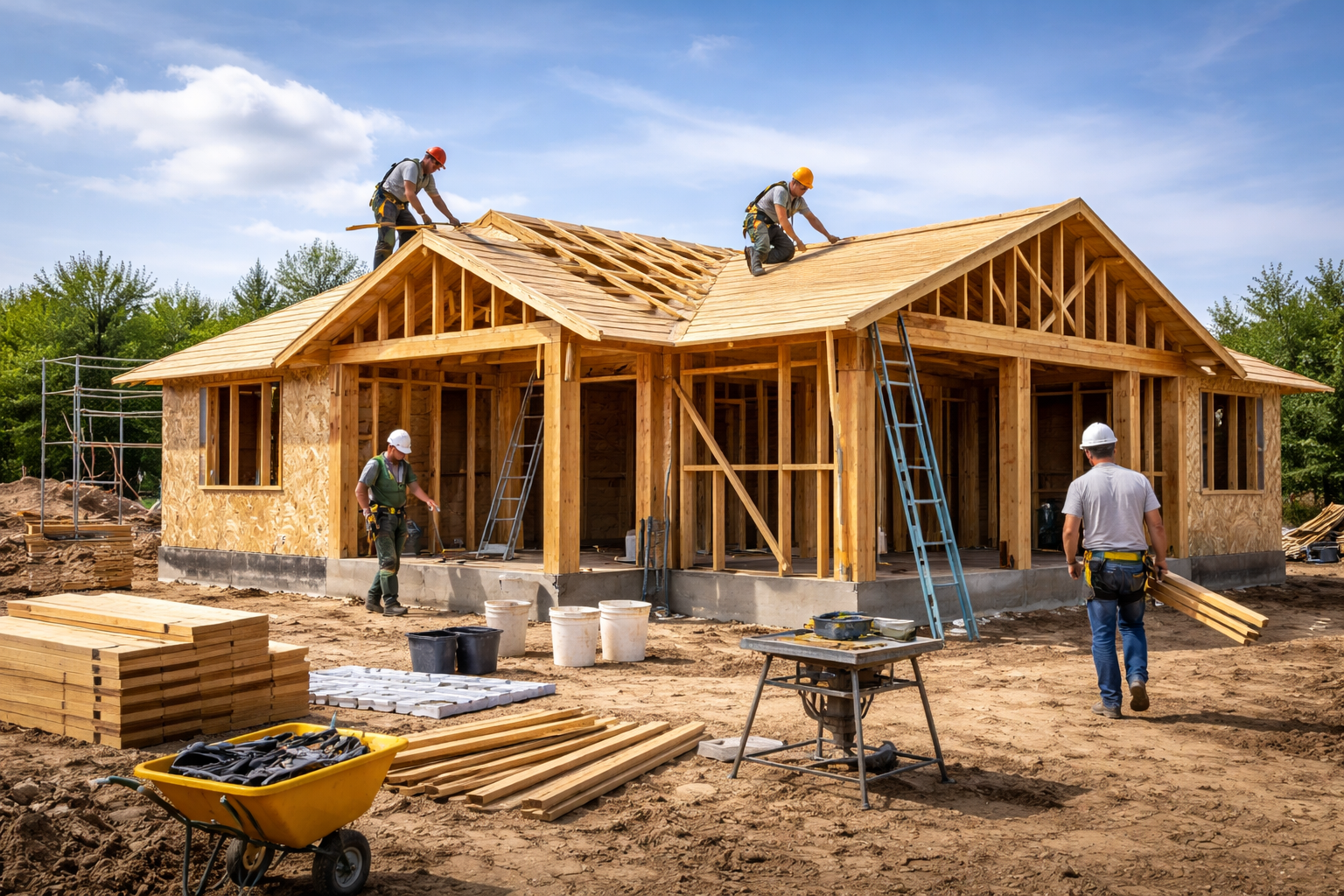
Lenders design construction home loans for people building a new home rather than buying an existing property. Instead of receiving the full loan amount upfront, the lender usually releases the funds in stages during the build. People commonly refer to these as progress payments.
Construction home loans are commonly used for:
-
-
Building a new home on vacant land
-
Knockdown rebuild projects
-
Major structural renovations or extensions
-
House and land packages
-
Custom home builds
-
Because lenders advance funds progressively, repayments during the build are often based only on the amount drawn down at that time, rather than the full approved loan amount.
How Do Construction Home Loans Work?
Lenders set up construction home loans to match the different stages of the building process. Rather than settling the entire loan in one lump sum, the lender releases funds as construction reaches each agreed stage.
The process generally involves:
-
- Confirming your borrowing capacity and budget
- Choosing your land and builder
- Finalising a fixed-price building contract
- Submitting plans, specifications, and supporting documents
- Applying for formal loan approval
- Starting the build once you meet the conditions
- Requesting progress payments as you complete each stage
- Transitioning to standard home loan repayments after completion
This staged approach helps manage risk, align payments with the progress of the build, and support cash flow during construction.

What Is Involved in a Construction Home Loan?
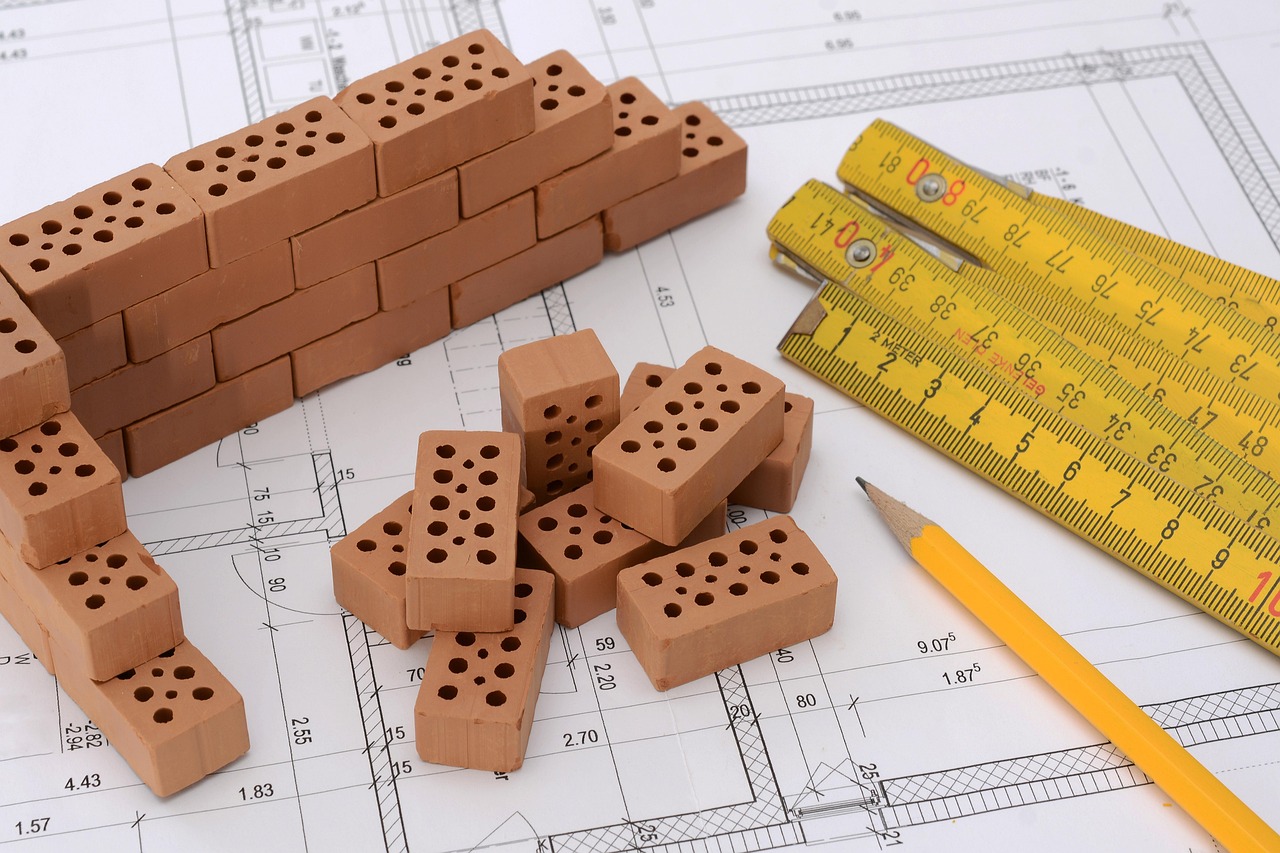
There are several moving parts involved with a construction home loan, and you should understand them before starting your application.
-
- Building Contract – Most lenders will want to see a signed fixed-price building contract. This helps provide certainty around the total build cost and the planned payment schedule.
- Plans and Specifications – Lenders usually require detailed plans, specifications, and inclusions to assess the project.
- Land or Property Details – If you already own the land, the lender will assess the land as part of the security. If you are buying land and building, the lender will assess both the land purchase and the construction costs.
- Valuation – The lender will usually order a valuation based on the expected completed value of the property once construction finishes.
- Progress Payments – Rather than releasing the full loan upfront, the lender advances money at each stage of the build.
- Repayments During Construction – During construction, repayments are often based by lenders on the amount drawn, rather than the total approved loan limit.
- Final Completion Requirements – Before the lender makes the final payment, they may require additional documents such as a final inspection, proof of insurance, and occupancy certification.
The Construction Loan Process Step by Step
Understand your borrowing capacity
-
- Before signing a building contract, it is important to know how much you may be able to borrow and what your repayments could look like during and after construction.
Confirm your land situation
-
- You may already own the land, be buying vacant land, or be purchasing a house and land package. This will affect how the loan is structured.
Choose your builder
-
- Most construction loans work best when you have selected a licensed builder and have a clear fixed-price building contract in place.
Prepare your documents
-
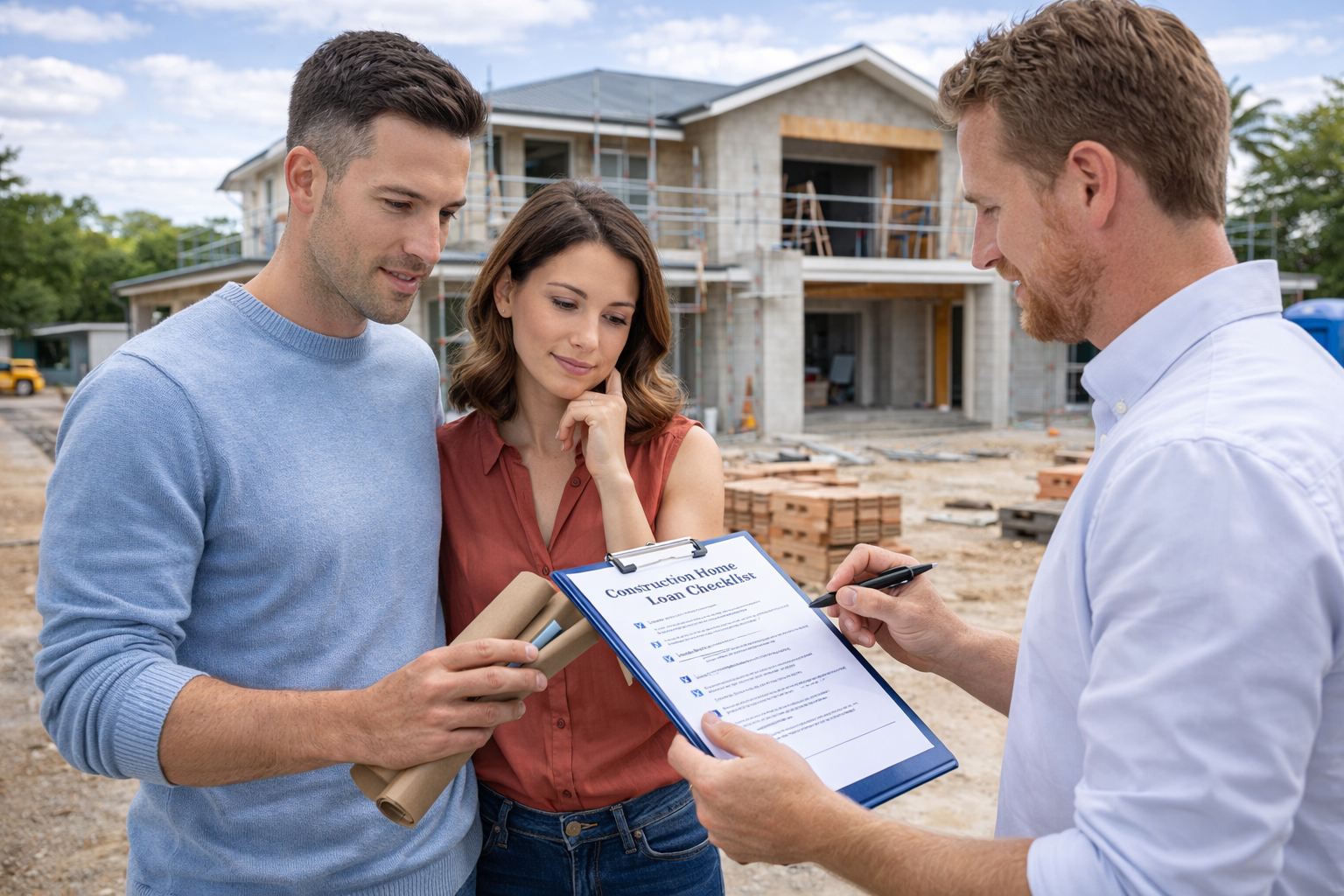
- You will usually need documents such as proof of income, identification, deposit or equity details, a fixed-price building contract, plans and specifications, council approvals if required, and quotes for any works not included in the contract.
Apply for the loan
-
- Your broker will submit your application to a lender that suits your needs and the type of build you are planning.
Receive formal approval
-
- Once approved, the loan can proceed once the lender’s conditions have been met.
Start construction
-
- When all documents are in place and the lender is ready to release funds, construction can begin.
Progress payments are made
-
- As each stage of the build is completed, the builder submits an invoice and the lender releases funds, subject to their requirements.
Complete the build
-
- When construction is finished and all final conditions are met, the loan usually converts to standard principal and interest repayments.
What Are Progress Payments?
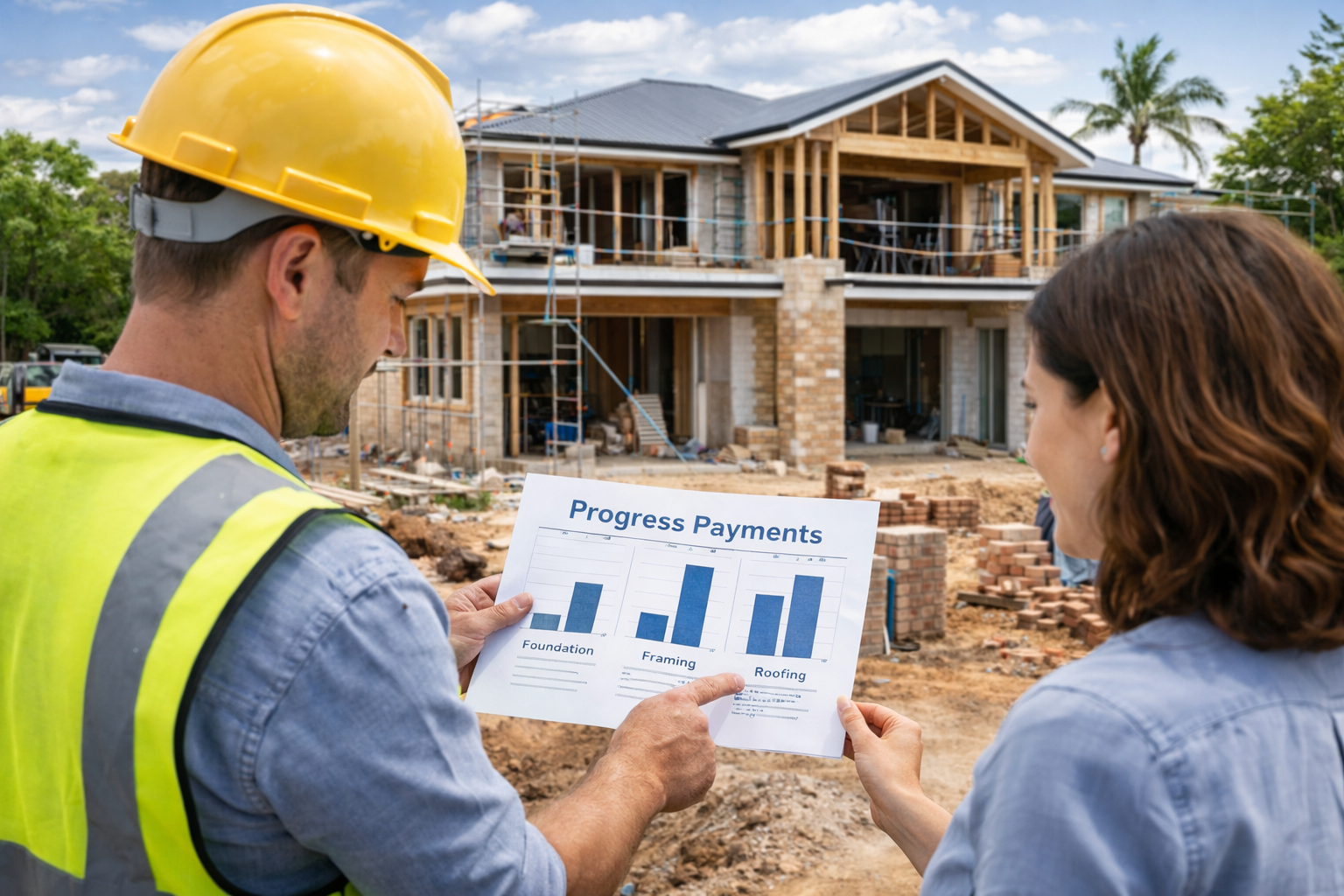
Progress payments are staged payments made by the lender to the builder during construction. Instead of paying the full loan amount upfront, the loan is drawn down gradually as the build moves through each stage.
-
-
Deposit
-
Slab or base stage
-
Frame stage
-
Lock-up stage
-
Fixing stage
-
Completion stage
-
This means you are generally only charged interest on the amount that has been used, rather than the full approved loan amount from the beginning.
Benefits of Construction Home Loans
Construction home loans can offer a number of advantages for borrowers who are building.
Staged Funding
-
- Funds are released as needed throughout the project rather than all at once.
Lower Initial Repayments
-
- During construction, repayments are often based on the amount drawn down, which may help with cash flow.
More Control Over the Build
-
- You can finance a newly built home that better suits your lifestyle, family needs, or investment strategy.
Suitable for Different Building Scenarios
-
- Construction loans can be suitable for new builds, custom homes, knockdown rebuilds, and some renovation projects.

Things to Consider Before Applying
Construction home loans can be a great solution, but there are important things to keep in mind.
Build Costs Can Change
-
- Variations, upgrades, and unexpected site costs can impact your overall budget. It is important to have a financial buffer in place.
Delays Can Affect the Timeline
-
- Construction delays can happen for many reasons, including weather, labour shortages, material delays, and council or compliance issues.
Documentation Is More Detailed
-
- Construction loans usually require more paperwork than a standard home loan because the lender is assessing both your financial position and the proposed building project.
Repayments Will Increase Over Time
-
- As more progress payments are made, the amount owing increases and so do the repayments. Once the build is complete, the loan will usually move to normal principal and interest repayments.
Owner Builder Construction Loans
Owner builder construction loans are generally more complicated than standard construction loans.
Loan to value ratios are often lower, and more documents are usually required. Because lender policies can vary significantly, it is best to discuss owner builder loans in detail with a broker to understand your options and what may be possible.

How it Works
1. Book a free call
We’ll chat about your goals and employment details
2. We compare your options
Access 40+ lenders and policies that work with teaching roles
3. You get approved
With personalised support and clear communication from start to finish
Let Us Support You Like You Support Others
Your role makes a lasting impact—let us help you build a future with the right loan behind you.
Book your free discovery call today and explore your teacher-friendly home loan options.